Protecting Yourself from Identity Theft Online: A Comprehensive Guide
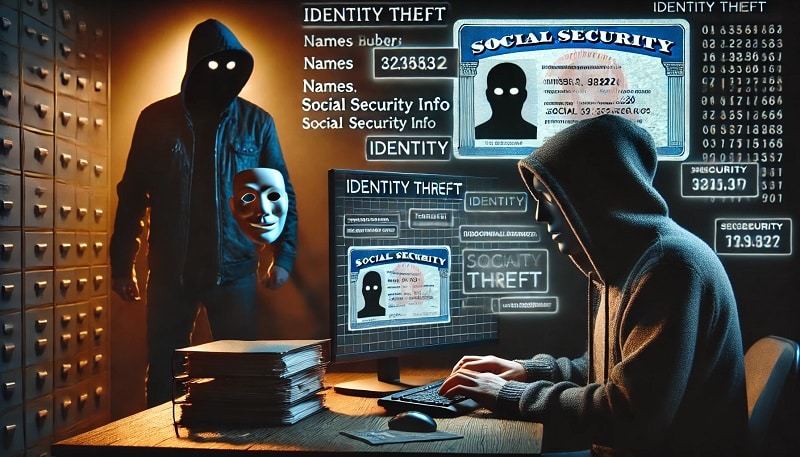
Identity theft is a growing concern in today's digital age. With the increasing reliance on online transactions and digital storage of sensitive information, protecting oneself from identity theft has become a top priority. In this article, we will delve into the various types of identity theft, the warning signs, and the steps you can take to protect yourself from identity theft online.
The Warning Signs of Identity Theft
Knowing the warning signs of identity theft is crucial in protecting yourself from becoming a victim. Some common warning signs include:
- Missing mail or unusual account activity
- Unexplained charges on your credit card or bank statement
- Receiving calls or notifications from unknown individuals
- Receiving letters or emails indicating new accounts or loans in your name
- Being denied credit or loans due to a low credit score
Types of Identity Theft

- Financial identity theft: This involves stealing your financial information, such as your Social Security number, credit card numbers, or bank account details.
- Medical identity theft: This involves stealing your medical information, such as your health insurance details or medical records.
- Employment identity theft: This involves stealing your employment information, such as your job title, salary, or employment history.
- Tax identity theft: This involves stealing your tax information, such as your Social Security number or tax refunds.
Steps to Protect Yourself from Identity Theft Online
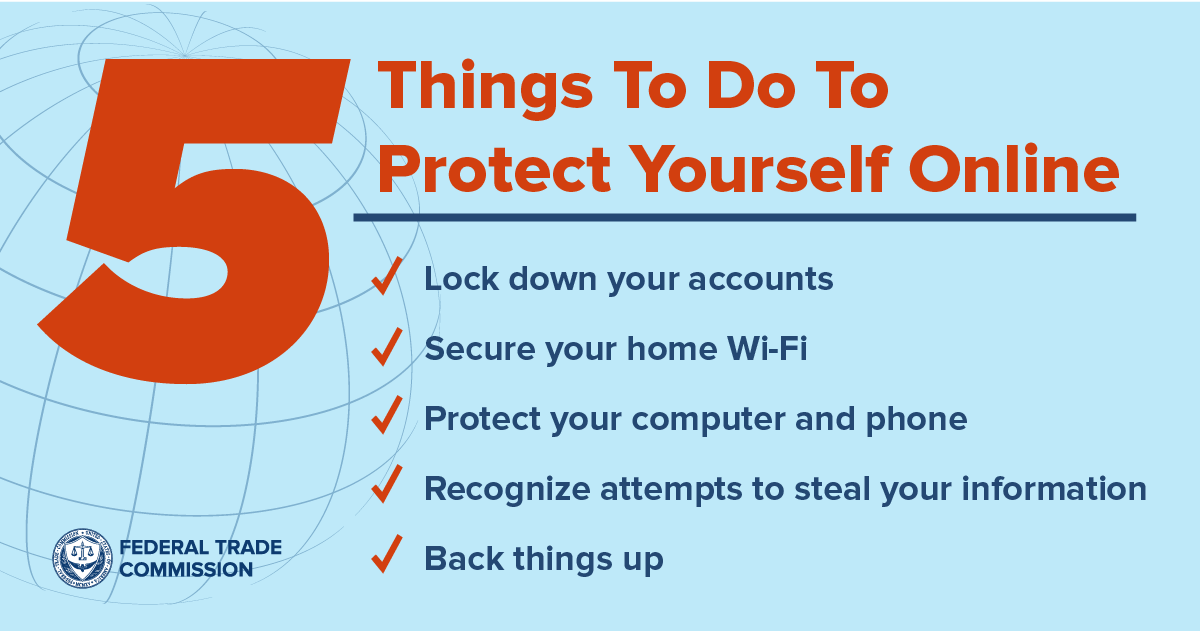
Protecting yourself from identity theft online involves taking several steps, including:
- Use strong, unique passwords: Use a password manager to generate and store complex passwords for all your online accounts.
- Enable two-factor authentication (2FA): This adds an extra layer of security to your online accounts, making it harder for thieves to access your information.
- Use a virtual private network (VPN): A VPN encrypts your internet traffic, making it harder for hackers to intercept your data.
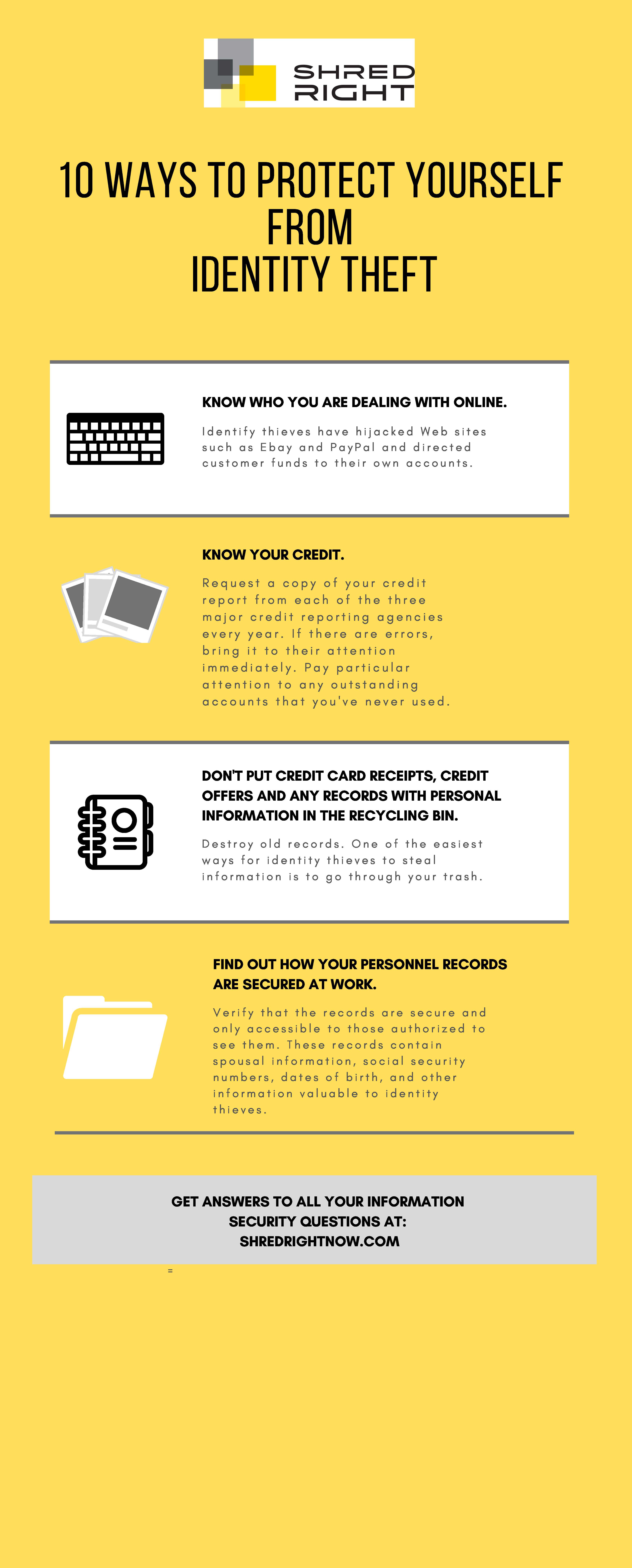
- Monitor your credit reports: Check your credit reports regularly to detect any unusual activity or errors.
- Freeze your credit: This prevents new accounts from being opened in your name.
- Be cautious of phishing emails: Phishing emails are designed to trick you into revealing sensitive information. Be wary of emails asking you to click on suspicious links or provide personal information.
- Keep your software up to date: Regularly update your operating system, browser, and other software to ensure you have the latest security patches.
- Use a reputable antivirus software: Antivirus software helps detect and remove malware from your device.
Recovering from Identity Theft

This particular example perfectly highlights why Protecting Yourself From Identity Theft Online is so captivating.
If you suspect you have been a victim of identity theft, take immediate action to recover your identity. Follow these steps:
- Notify your financial institutions: Inform your bank, credit card company, and other financial institutions about the identity theft.
- File a police report: Report the identity theft to your local police department.
- File an FTC complaint: Report the identity theft to the Federal Trade Commission (FTC).
- Place a fraud alert: Request a fraud alert on your credit reports to prevent new accounts from being opened in your name.
- Review your credit reports: Check your credit reports for any errors or unusual activity.
- Change your passwords: Change your passwords for all your online accounts.
- Monitor your accounts: Closely monitor your accounts for any further suspicious activity.
Conclusion
Protecting yourself from identity theft online requires vigilance, awareness, and proactive steps. By understanding the warning signs, types of identity theft, and steps to protect yourself, you can reduce the risk of falling victim to identity theft. Remember to stay informed, be cautious, and take immediate action if you suspect you have been a victim of identity theft.
By following these comprehensive steps, you can protect yourself from identity theft online and enjoy a greater sense of peace of mind in the digital age.